
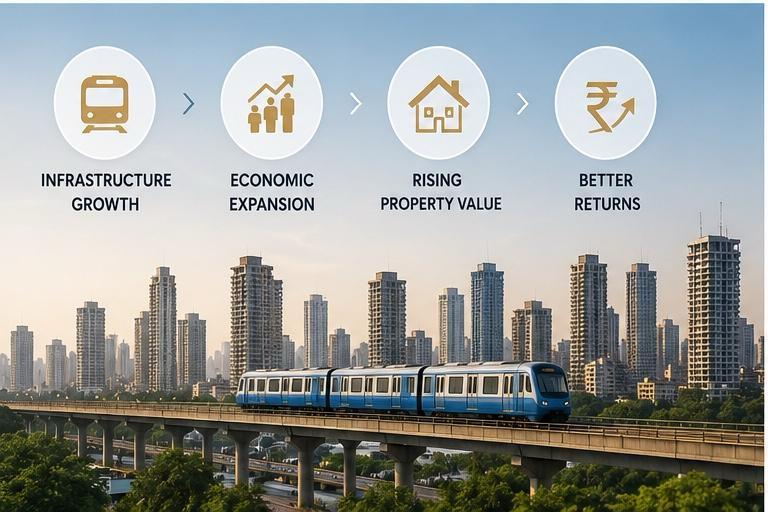

Mumbai is not just India’s financial capital—it’s a living, breathing ecosystem where real estate, infrastructure, and economic momentum are deeply intertwined. Among the many factors influencing property ownership and investment decisions, property tax and local economic trends stand out as critical yet often overlooked elements.
Let’s break this down in a way that actually helps you make smarter real estate decisions.
Understanding Property Tax in Mumbai
Property tax in Mumbai is governed by the Municipal Corporation (BMC) and is calculated based on the Capital Value System (CVS). In simple terms, your property tax depends on:
- Market value of the property
- Location and usage (residential/commercial)
- Carpet area
- Age of the building
Why it matters:
Property tax isn’t just a recurring expense—it directly impacts your rental yield, ROI, and long-term holding cost.
For instance:
- A premium property in South Mumbai may appreciate significantly, but it also carries a higher annual tax burden.
- Newer developments often have higher valuations, which means higher taxes but better capital growth potential.
The Shift in Property Tax Dynamics
In recent years, Mumbai has seen reforms aimed at transparency and digitization. Online payment systems, self-assessment tools, and improved compliance have made it easier—but also stricter.
What’s changing:
- Reduced scope for under-reporting
- Increased accountability
- More accurate valuation benchmarks
This signals a maturing real estate ecosystem, aligning Mumbai closer to global property markets.
Local Economic Trends Shaping Real Estate
Mumbai’s real estate doesn’t operate in isolation—it mirrors the city’s economic pulse.
- Infrastructure Boom
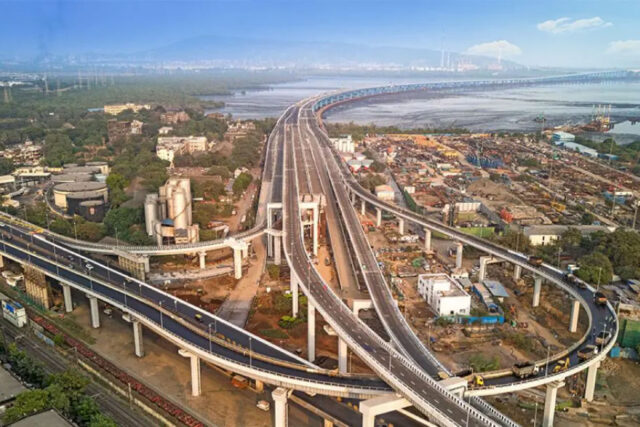
Projects like coastal roads, metro expansions, and trans-harbour links are reshaping micro-markets.
Impact:
- Property values rise in emerging corridors
- Tax assessments may increase as capital values go up
- Rise of Premium & Luxury Housing
There’s a clear shift toward larger, lifestyle-driven homes, especially post-pandemic.
Impact:
- Higher ticket sizes = higher property taxes
- But also stronger rental demand from expats and corporate tenants
- Commercial Growth & Job Creation
Mumbai continues to attract financial services, startups, and global firms.
Impact:
- Increased demand for residential properties near business districts
- Improved rental yields, offsetting tax costs
- Investor Confidence & Market Stability
Compared to previous cycles, today’s market is more regulated, transparent, and stable.
Impact:
- Predictable tax structures
- Better long-term planning for investors
What This Means for Property Buyers & Investors
If you’re buying or holding property in Mumbai, here’s the real takeaway:
- Don’t look at property tax as a cost alone—see it as part of the asset’s positioning
- High tax often correlates with prime location and stronger appreciation
- Evaluate net returns (after tax), not just gross yield
- Stay updated on local economic developments—they directly influence your tax liability over time
Smart Strategy: Balance Tax vs Growth
A well-informed investor doesn’t avoid high-tax zones—they evaluate whether the growth justifies the cost.
For example:
- A lower-tax property in a stagnant area may underperform
- A higher-tax property in a growth corridor could deliver superior long-term returns
Final Thoughts
Mumbai’s property market is evolving rapidly, and so is the framework around taxation and economic development. Understanding how property tax interacts with local economic trends gives you a clear edge—whether you’re buying, selling, or leasing.
The smartest real estate decisions aren’t just about price—they’re about context, timing, and foresight.



Leave a Reply